
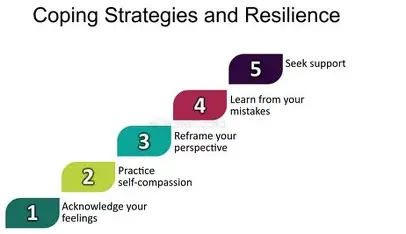
Coping Strategies for Families
KentuckyStrongFamilies.org | Sponsored by Lives on Mission Ministries Inc.
When someone you love goes to jail or prison, the hardest part isn’t always what people expect. Yes, there’s the grief of their absence. But there’s also something heavier that most families don’t talk about: the weight of carrying it all while the world keeps moving like nothing happened.
You still have to go to work. Get the kids to school. Answer questions you don’t want to answer. Smile at neighbors. Pay the bills — often now on one income. And somehow, somewhere in all of that, find a way to hold yourself together.
This post is for you — the one holding it together. Or trying to.
The Weight Is Real — and It Has a Name
Families of incarcerated loved ones carry a specific kind of burden that most people around them don’t fully understand. It includes:
Grief. Your loved one is alive, but they’re gone. That’s a particular kind of loss — one that doesn’t get a funeral, a casserole, or a card from the neighbors. It just quietly aches.
Shame. Even when you’ve done nothing wrong, the stigma of incarceration lands on families too. You may feel judged at church, at school, at work — or you may simply assume you will be, and start pulling away before anyone gets close enough to ask.
Anxiety. Will he be safe in there? What’s happening with his case? What if things change? The uncertainty is relentless, and it doesn’t have an off switch.
Financial stress. Phone calls, commissary deposits, potential legal fees — incarceration is expensive for families on the outside. Many Kentucky families absorb these costs while also losing the income their loved one contributed.
Naming these things honestly is the first step. You’re not weak for feeling them. You’re human.
Day-to-Day Coping: Small Things That Hold You Together
You don’t need a wellness plan. You need a few anchors that keep you functional when things feel unsteady.
Routine matters more than you think. When so much is out of your control, a predictable daily structure — even a simple one — gives your nervous system something to count on. Wake at the same time. Eat actual meals. Get outside, even briefly. These aren’t small things.
Boundaries protect your energy. You don’t have to answer every question. You don’t have to explain your situation to everyone who asks. It’s okay to say, “I appreciate your concern, but I’m not ready to talk about that.” Choosing what you share and with whom is not dishonesty — it’s self-protection.
Rest is not optional. Sleep deprivation makes grief heavier, anxiety louder, and patience shorter. If you’re not sleeping, everything else gets harder. Protecting sleep is one of the most practical things you can do for your family right now.
Don’t disappear. Isolation feels safer when you’re ashamed or exhausted, but it usually makes things worse over time. Stay connected to at least one or two people who know what’s really going on.
Healthy and Unhealthy Coping: An Honest Look
There’s no judgment here — just honesty. When pain is constant, people reach for relief wherever they can find it. Some of those places help. Some quietly make things worse.
Things that tend to help over time: staying connected to people who support you, physical activity, honest conversation, faith practices, journaling, and professional counseling.
Things that tend to hollow you out over time: alcohol or substance use to numb the pain, withdrawing completely from relationships, compulsive busyness to avoid feeling anything, and absorbing all the stress without ever letting any of it out.
If you recognize yourself in the second list, you’re not a bad person — you’re a person in pain looking for relief. The question isn’t whether you deserve to feel better. You do. The question is whether what you’re reaching for is actually helping you carry this, or just postponing the weight until it gets heavier.
Staying Present for Your Children
If you have children in the home, they are carrying this too — often in silence, because they’re watching you and trying not to add to your load.
Children need two things from you right now more than anything else: honesty appropriate to their age, and your continued emotional presence. They don’t need you to have answers. They need to know you’re still there, still stable, and still paying attention to them.
A few practical suggestions:
- Let them ask questions, and answer as honestly and simply as you can.
- Keep their routines as normal as possible — school, activities, bedtime.
- Watch for behavioral changes that might signal they’re struggling more than they’re showing.
- Consider whether a school counselor or children’s ministry leader should know what’s happening at home.
You cannot pour from an empty cup — which is exactly why taking care of yourself is not selfish. It’s what makes you available to them.
Faith and Community Over the Long Haul
A crisis can be endured. It’s the long middle — months of uncertainty, years of waiting — that wears people down.
Faith doesn’t make the middle easy. But it gives it meaning. It connects you to something larger than the circumstance, and it reminds you that you are not forgotten, even when it feels that way. Regular prayer, Scripture, worship — not as performance, but as honest conversation with God — can sustain you through stretches that nothing else can.
Community works the same way. You were not designed to carry this alone. Find at least one place where you can be known and supported without pretending. That might be a small group at church, a prison family support group, or simply a trusted friend who will sit with you without trying to fix everything.
KentuckyStrongFamilies.org exists to help you find those connections. You don’t have to search alone.
When to Seek Professional Help
Sometimes what you’re carrying requires more than community and coping strategies. That’s not failure — that’s wisdom.
Consider reaching out to a counselor or therapist if:
- You’re experiencing persistent depression or anxiety that isn’t lifting
- You’re using alcohol or substances to get through the day
- You’re having thoughts of harming yourself
- Your children are showing significant behavioral or emotional changes
- You simply feel like you’re not functioning and don’t know where to turn
In Kentucky, here are places to start:
- Kentucky 211 — Call or text 211 to be connected with local mental health and social services resources statewide.
- Kentucky Mental Health Care — kentuckymhc.com offers a directory of providers.
- SAMHSA National Helpline — 1-800-662-4357, free and confidential, 24/7, for mental health and substance use support.
- Your county’s Community Mental Health Center — Every Kentucky county is served by a regional center that offers sliding-scale counseling.
Asking for help is not giving up. It’s choosing to stay strong enough to keep going.
KentuckyStrongFamilies.org is sponsored by Lives on Mission Ministries Inc. We exist to walk alongside Kentucky families who have a loved one behind bars — offering guidance, encouragement, and connection for every step of the journey.